
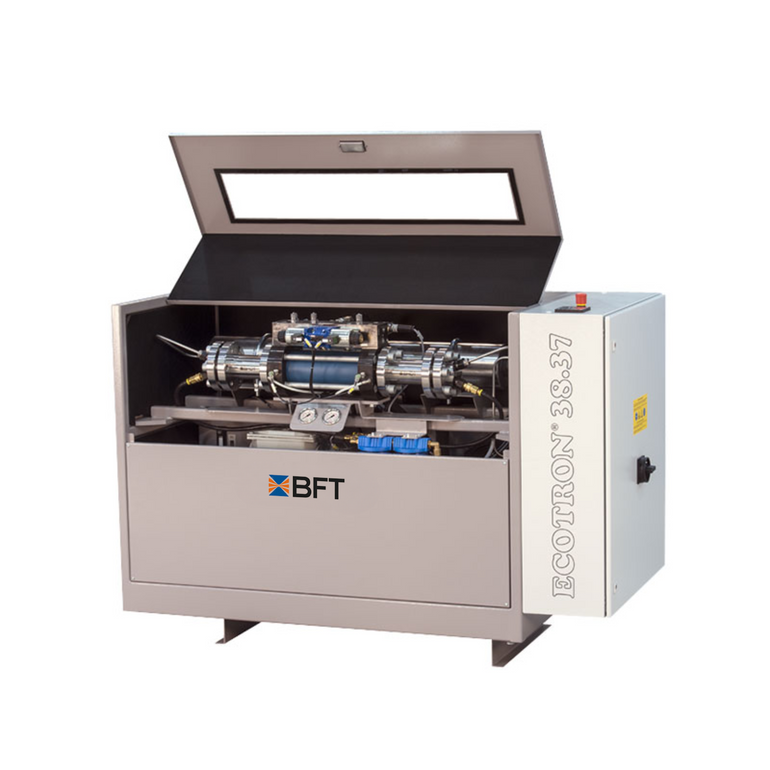
Delicate materials demand a cutting process that offers accuracy without causing damage. Glass, ceramics, thin metals, and decorative stones require special handling during manufacturing. Even a small amount of heat or excessive pressure can ruin their finish. Modern waterjet cutting Dubai is a practical solution, which uses a powerful stream of water to achieve precise cuts while protecting fragile materials.
Why delicate materials require special cutting
Fragile materials demand extra care during cutting because they can crack, chip, or break under excessive pressure. Glass, ceramic tiles, and thin metal sheets present particular challenges during manufacturing. Traditional cutting tools generate heat and friction, which may damage sensitive surfaces. Manufacturers therefore choose methods that offer precise control and reduce unnecessary stress on the material.
How waterjet cutting protects fragile surfaces
Waterjet cutting uses a highly pressurized stream of water to cut through different materials. For tougher materials, operators mix abrasive particles into the water to increase cutting power. Unlike laser cutting, this process does not generate significant heat in the cutting area. This cold cutting technique helps prevent thermal distortion, discoloration, and heat-related cracks. Operators also adjust water pressure and cutting speed to suit the material, reducing the risk of damage during production.
Accuracy when cutting thin and delicate materials
Accurate cutting becomes especially important when manufacturers work with thin sheets, intricate patterns, and fragile components. Waterjet technology follows programmed designs and produces clean edges with minimal material loss. Its narrow cutting stream allows operators to create detailed shapes, curves, and small openings. Manufacturers also adjust cutting parameters to prevent excessive force from affecting delicate surfaces.
Applications across different industries
Several industries use waterjet cutting to process fragile materials. Glass manufacturers use it to produce decorative panels, intricate shapes, and custom fittings. Ceramic producers benefit from its ability to cut tiles without exposing them to intense heat. The technology also supports aerospace and electronics manufacturers that work with thin metal components. Architects and interior designers use waterjet cutting to produce detailed patterns in stone, glass, and other decorative materials.
Choosing the right cutting approach
Successful cutting starts with selecting suitable pressure, speed, and abrasive settings. Operators assess the material’s thickness, strength, and sensitivity before starting production. Proper support also helps prevent fragile sheets from shifting or vibrating during cutting. Test cuts allow manufacturers to adjust machine settings and achieve the desired finish. These measures reduce breakage, limit material waste, and help maintain consistent production quality.