
Anodized aluminum panels give buildings a durable finish, but the wrong cleaning method can leave permanent marks, dull the surface, or damage its protective coating. Dust, pollution, mineral deposits, and environmental residue also build up over time, affecting the panels’ original appearance. Maintaining these surfaces requires cleaning techniques suited to their specific finish, not generic washing methods.
Let’s explore the products, tools, and professional techniques used in facade cleaning in Dubai to preserve anodized aluminum without compromising its appearance or protective qualities.
Why anodized aluminum requires special care
Anodizing forms a durable oxide layer across aluminum, giving panels improved resistance against corrosion and everyday exposure. Harsh chemicals, abrasive pads, and excessive pressure can damage or dull that finish. Cleaning specialists first identify the anodized surface and its condition. They then select suitable materials and cleaning solutions that remove contaminants without creating unnecessary marks across the panels.
Removing dust and airborne grime
Dust settles quickly across exposed aluminum panels, especially around busy roads and commercial areas. Fine particles can combine with moisture and pollution, producing stubborn surface deposits. Specialists use soft brushes, microfiber tools, low-pressure rinsing, and compatible cleaners to loosen these deposits. Regular cleaning prevents heavy buildup and keeps the panel surface visually consistent across the building.
Treating water and mineral marks
Rainwater and irrigation systems can leave mineral deposits on anodized aluminum. White spots and streaks become particularly visible on darker finishes. Cleaning teams identify the source of the deposits before treatment. They use suitable solutions that dissolve mineral residue without attacking the anodized layer. Controlled rinsing then removes remaining cleaning material and prevents fresh streaking.
Handling stubborn stains safely
Bird deposits, grease, construction residue, and environmental pollutants may require targeted treatment. Specialists avoid aggressive scraping because sharp tools can scratch the aluminum finish. Instead, they select compatible cleaners and soft agitation techniques. A small test area helps confirm product suitability before workers treat larger sections. Such testing reduces the risk of unwanted discoloration or surface damage.
Choosing suitable equipment
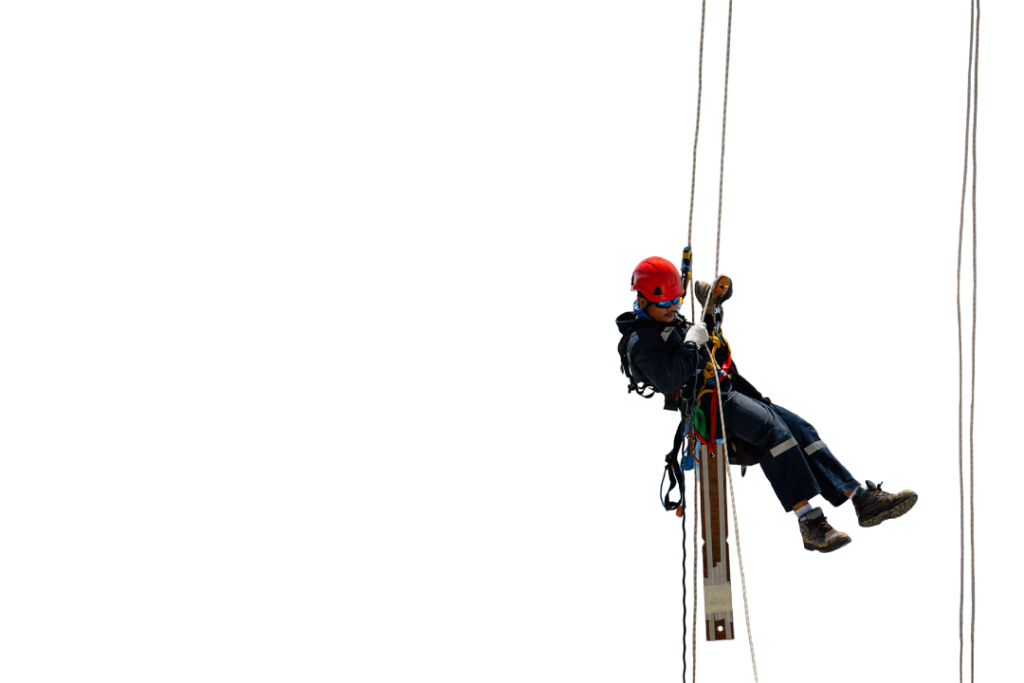
Equipment selection directly affects cleaning results. Soft brushes, microfiber cloths, controlled pressure washers, extension tools, and appropriate access systems support efficient work across large facades. High pressure settings may damage joints, seals, or delicate finishes, so specialists adjust pressure according to panel condition. Proper equipment also helps workers reach elevated sections without relying on unsafe improvised methods.