
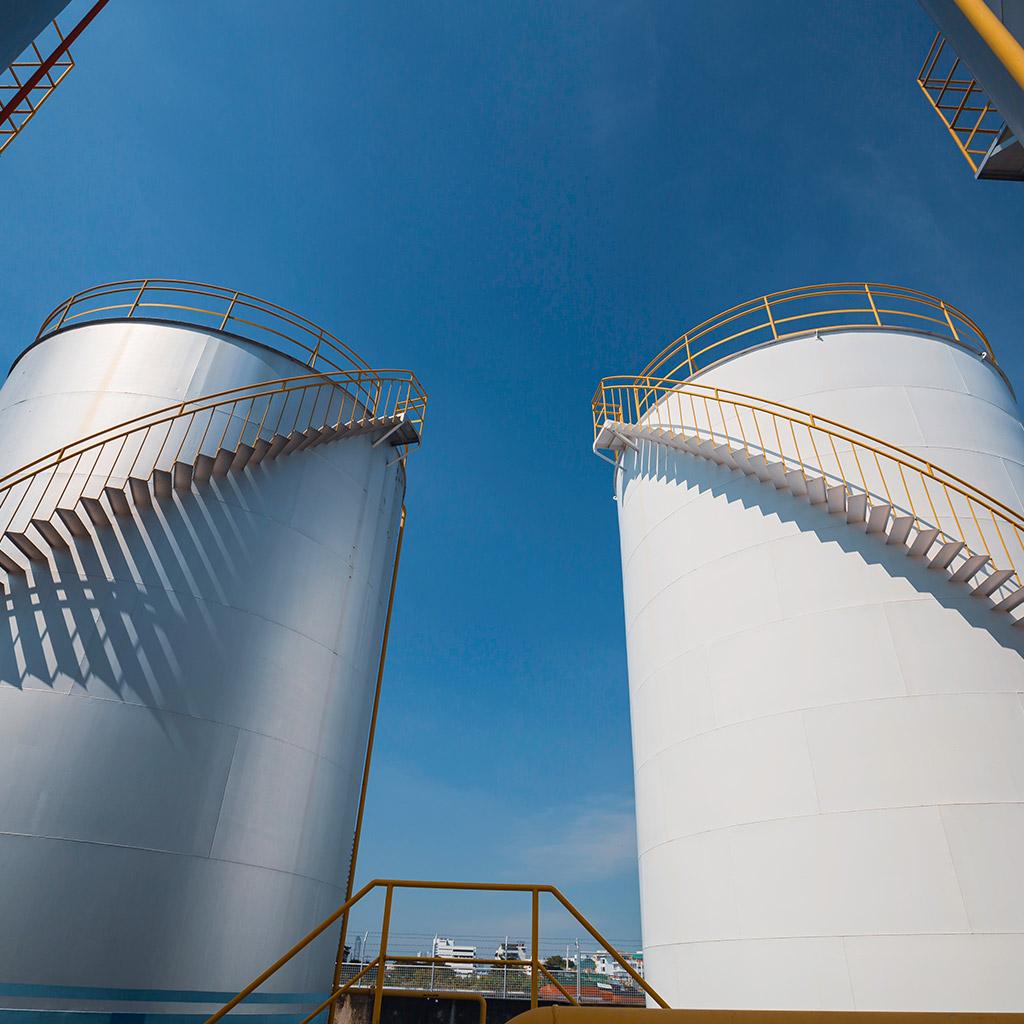
Industrial storage tanks helps in handling petroleum products, chemicals, and other valuable materials. Since these tanks store substances that can affect safety and the environment, they must meet strict industry requirements.
Every stage, from design to installation and inspection, follows established rules that reduce risks and support reliable performance. Companies that invest in quality systems gain long term value from properly built API tanks.
Design standards:
The foundation of every compliant tank begins with proper engineering. Industry standards define dimensions, material selection, welding procedures, and structural strength. Engineers carefully calculate load capacity, pressure, and environmental conditions before production starts. Accurate planning helps reduce future maintenance issues while giving owners confidence that the tank can perform safely throughout its service life. Every detail matters because small errors during design can lead to larger concerns later.
Material selection:
Compliance also depends on using approved materials that meet required specifications. Steel plates, fittings, and supporting components must pass quality checks before entering production. Manufacturers review material certificates and inspect every batch for consistency. Using reliable materials improves durability and allows tanks to perform under demanding industrial conditions. Proper material selection also supports easier inspections throughout the tank’s operational life.
Welding and fabrication quality:
Welding plays a central role in tank construction. Skilled fabricators follow approved procedures that produce strong and consistent welds. Certified welders complete every section according to industry guidelines. Inspection teams review weld quality using visual examinations and specialized testing methods. These evaluations help identify hidden flaws before the tank enters service. Careful fabrication supports safe operation and reduces the chance of unexpected failures.
Inspection and testing:
Every compliant tank undergoes detailed inspections before it is approved for use. Inspectors examine dimensions, weld integrity, coating quality, and structural performance. Hydrostatic testing is commonly performed to verify that the tank can safely hold its intended contents. Additional inspections continue during operation to identify wear, corrosion, or other developing issues. Regular evaluations allow owners to address concerns before they become costly repairs.
Maintenance and documentation:
Compliance continues after installation. Routine maintenance keeps equipment in good working condition while protecting valuable assets. Scheduled cleaning, corrosion control, and repair work help extend service life. Accurate documentation is equally important. Inspection reports, maintenance records, and repair histories provide valuable information for future evaluations. Complete records also demonstrate that the facility follows recognized industry standards.