
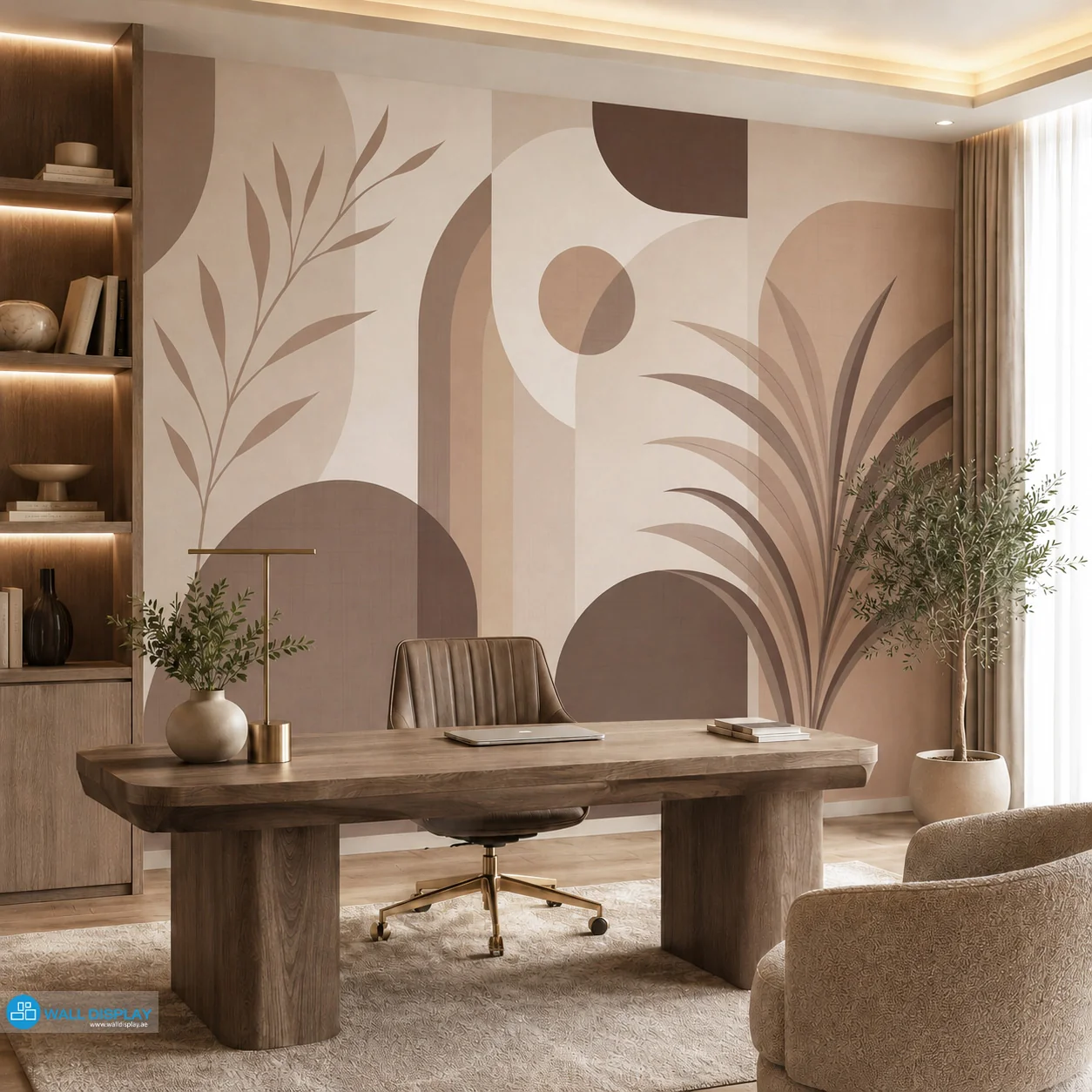
Wallpaper can completely change a room, but combining different designs requires thoughtful planning. When patterns, colors, furniture, and accessories work together, the result feels layered rather than overwhelming.
The key is to create a visual connection between each design while allowing every pattern to make its own impression. If you prefer soft florals, modern geometrics, classic stripes, or artistic motifs, the right approach can make mixed wall paper Dubai look polished and intentional.
Choose a design direction before you begin
Start by deciding how you want the room to feel. Soft botanical prints can create a calm atmosphere, while bold geometric designs bring energy and structure. Traditional patterns may suit a classic interior, whereas abstract wallpaper can complement a contemporary space. A clear style direction makes it easier to reject designs that don’t support the overall mood.
Build your palette around a shared shade
Color is one of the easiest ways to connect multiple wallpaper designs. Select a dominant shade from one pattern and repeat it in another print. You can also use related tones, such as navy with pale blue, terracotta with blush, or forest green with sage. A limited palette prevents the room from appearing chaotic. Two or three main colors are usually enough.
Create contrast through pattern scale
Different pattern sizes help prevent visual competition. Combine a large-scale design with a smaller, more delicate print. For example, a dramatic botanical wallpaper can work beautifully beside a fine stripe or tiny repeating motif. This contrast creates rhythm and gives the eye places to rest. Avoid pairing several large, highly detailed patterns together, as they may make the space feel crowded.
Give each wallpaper a clear role
Not every wall needs to make a bold statement. Use one striking design as the focal point and support it with a quieter pattern elsewhere. A feature wall might display an oversized print, while surrounding walls use a subtle texture or understated motif. This approach creates hierarchy and ensures that the strongest design receives attention without dominating the entire room.
Coordinate wallpaper with existing decor
Before choosing additional patterns, study the room’s furniture, flooring, curtains, rugs, artwork, and lighting. Pull colors or shapes from these elements to create a natural connection with the wallpaper.
For instance, curved furniture can complement flowing botanical designs, while streamlined furnishings may pair well with angular geometric prints. Repeating a color found in a cushion or rug can also make the room feel thoughtfully coordinated.