
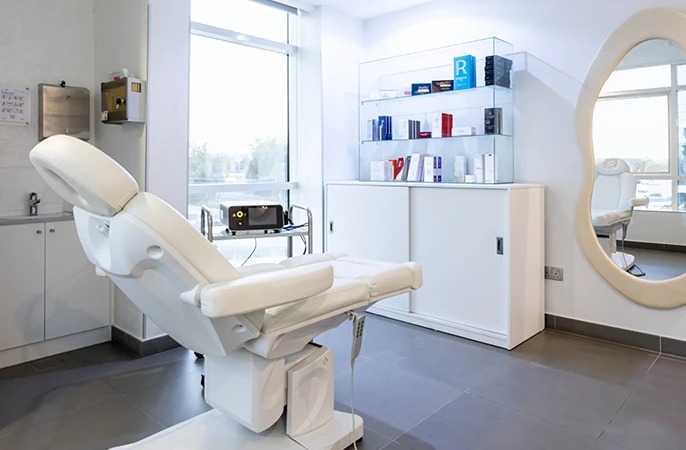
Medical care has shifted from a single approach for all to a more focused method that considers each individual’s unique biological and lifestyle factors. This evolution represents a fundamental change in how practitioners address patient concerns and design effective interventions.
A tailored plan offers clearer direction and better outcomes for every individual who walks through the doors of a modern health center Dubai.
Initial assessment and data collection:
The process starts with a thorough gathering of information during the first consultation. Medical history, current symptoms, genetic predispositions, and daily habits all form a complete picture of an individual’s health status. Advanced diagnostic tools and routine tests provide objective data points that guide the initial framework. This detailed baseline allows clinicians to identify specific areas needing attention and set realistic goals. Every piece of information contributes to a clearer roadmap for recovery and maintenance.
Collaborative goal setting:
Practitioners and patients work together to establish meaningful objectives that align with personal values and lifestyle preferences. This partnership ensures the proposed strategy feels achievable and relevant to daily life. Short-term milestones provide motivation, while long-term targets maintain focus on overall well-being. Each goal receives careful consideration to balance medical necessity with individual comfort.
Continuous monitoring and feedback:
Regular follow-up appointments allow practitioners to observe progress and make necessary modifications. Wearable devices, symptom diaries, and periodic laboratory tests offer real-time insights into treatment effectiveness. This ongoing evaluation catches potential issues early and prevents minor setbacks from becoming major obstacles. Adjustments occur smoothly based on concrete evidence rather than guesswork.
Adaptive strategy implementation:
Flexibility remains central to the evolution of any care plan as new information becomes available. Medication dosages may change, dietary recommendations might shift, or physical activity levels could increase based on current response rates. The clinical team stays alert to subtle changes that indicate a need for alternative methods. This responsive approach prevents stagnation and keeps progress moving forward steadily. Each modification builds upon previous successes while correcting any ineffective elements.
Integrating lifestyle factors:
Daily routines, stress levels, sleep patterns, and nutritional choices receive equal attention alongside medical interventions. Practitioners explore how work schedules, family responsibilities, and social activities impact overall health outcomes. Practical suggestions for incorporating healthy habits into existing routines make adherence simpler and more sustainable. This holistic view recognizes that true wellness extends beyond clinical settings into everyday environments. Each lifestyle adjustment complements prescribed treatments for comprehensive care.