
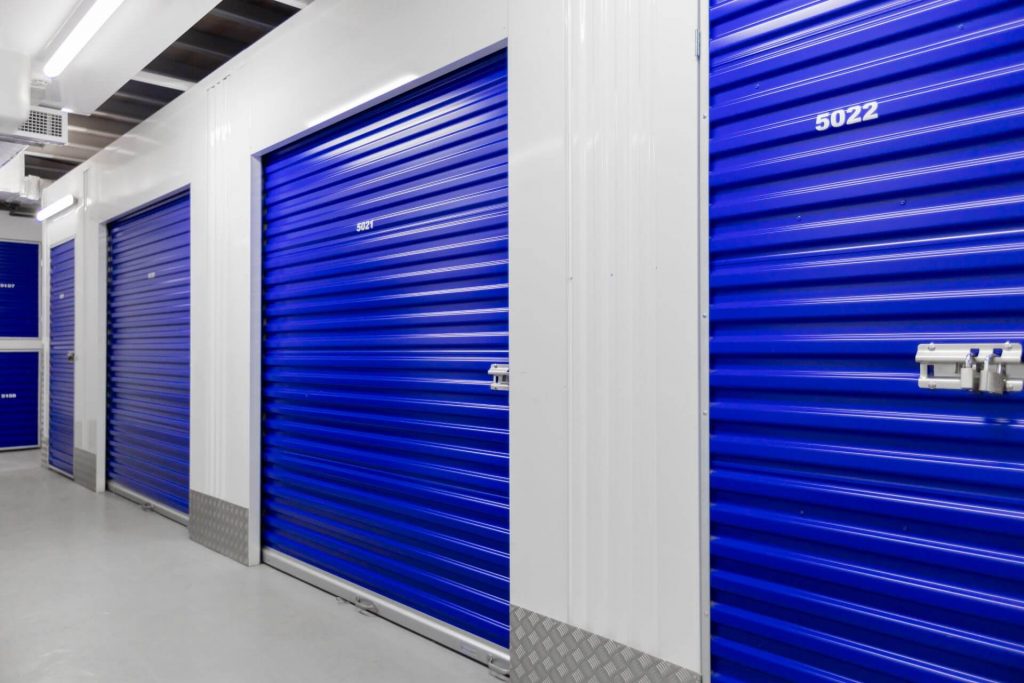
Valuable belongings deserve proper protection, even during a brief stay outside the home. Furniture, electronics, artwork, and personal keepsakes face risks such as theft, fire, and water damage. A suitable insurance policy helps reduce financial stress when unexpected losses occur.
Before placing possessions in short term storage Dubai, review your coverage and prepare a practical protection plan.
Review your existing insurance policy
Homeowners and renters insurance policies sometimes cover belongings stored outside the home, although limits and exclusions may apply. Read your policy documents and check the coverage amount, deductible, and list of covered risks.
Some insurers restrict protection at external facilities or set lower limits on stored possessions. Contact your provider and request clear answers before making assumptions about your existing protection.
Check the storage facility’s insurance options
Storage companies may offer protection plans during the rental process. Review each option carefully and check the risks it covers, its exclusions, and its claim limits. Facility protection plans may differ significantly in scope and conditions.
Ask about theft, fire, water damage, and accidental damage before selecting a plan. Compare the price against your current policy to avoid paying twice for similar coverage.
Create an accurate inventory of your belongings
An inventory gives you useful evidence if a claim arises. List each valuable item, including its brand, model, purchase date, and estimated value. Take clear photographs of electronics, furniture, jewellery, and collectibles before packing them away.
Keep receipts, invoices, and warranty documents in a secure digital folder. Detailed records help establish ownership and support a more organised insurance claim after a loss.
Understand coverage limits and exclusions
Every insurance policy sets specific conditions that affect reimbursement. Check the maximum payment per item and the overall limit that applies to stored belongings. High value watches, artwork, antiques, and specialist equipment may exceed standard limits.
Ask your insurer about scheduled personal property coverage or an additional policy when necessary. Review exclusions related to mould, pests, poor packing, flooding, and unattended valuables before signing an agreement.
Protect belongings and retain your records
Good storage practices support your insurance arrangements. Choose a secure facility with controlled entry, surveillance, fire safety equipment, and suitable protection against moisture. Use sturdy boxes and protective materials to reduce accidental damage during handling.
Keep a copy of your policy, inventory, receipts, and facility agreement in an accessible location outside the unit. Report any loss promptly and follow your insurer’s claim instructions.